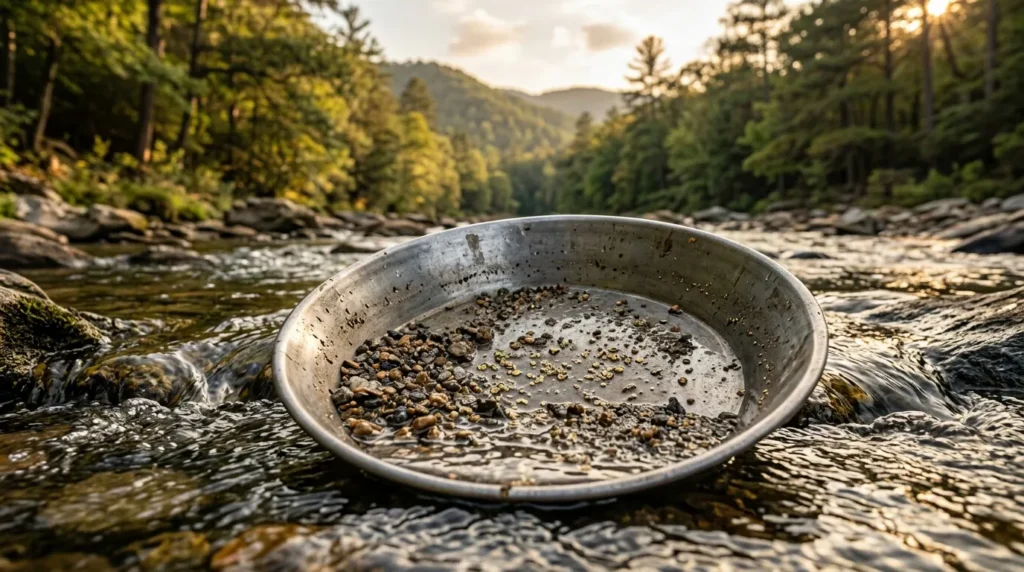
The top things to do in Dahlonega, Georgia include exploring the historic downtown square, visiting the Dahlonega Gold Museum, panning for gold at Consolidated Gold Mines, tasting North Georgia wines at vineyards like Wolf Mountain, hiking to Amicalola Falls, floating the Chestatee River, and enjoying local dining and live music.
Dahlonega, Georgia offers a full itinerary packed with historic gold rush heritage, award-winning wineries, scenic Blue Ridge outdoor adventures, and vibrant downtown dining.
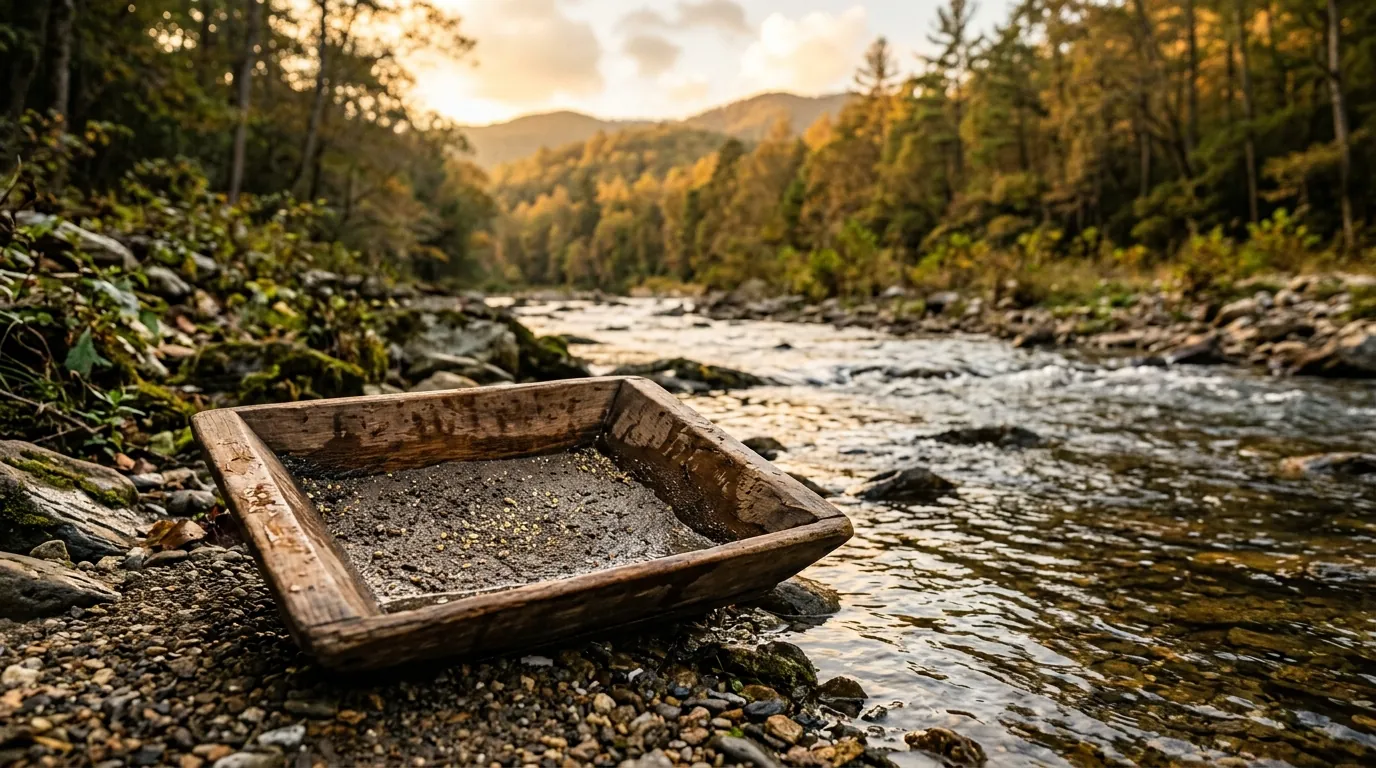
Historic Square & Cultural Attractions
Whether you are visiting for a quick weekend getaway or evaluating living in Downtown Dahlonega , the historic district is the central hub of activity. Deeply connected to Dahlonega’s gold rush history , the downtown area features independent shops, local dining, and historic landmarks.
Top historic and cultural sites around the square include:
- Dahlonega Gold Museum State Historic Site: Located in the 1836 Lumpkin County Courthouse, listed on the National Register of Historic Places, housing artifacts from the Dahlonega Mint era and exhibits detailing the 1828 gold discovery. Admission is free on select days with nominal admission otherwise.
- Consolidated Gold Mines: A popular family-friendly hands-on experience offering underground mine tours and gold panning just outside downtown where you keep what you find.
- Historic Downtown Square: Walkable streets packed with independent retail shops, folk art galleries, antique dealers, and specialty stores.
- The Crimson Moon: An intimate listening room and cafe featuring live Americana, folk, bluegrass, and roots music.
- Dahlonega Bluegrass Festival: An annual fall tradition bringing multi-stage live bluegrass performances and regional crowds to the town square.
- University of North Georgia Campus: A historic senior military college with open parade grounds, public athletic and theatrical events, and classic architecture.
- Dahlonega Cemetery: A peaceful historic site holding the graves of gold rush figures, Civil War soldiers, and prominent local historical figures.
- Georgia Racing Hall of Fame: Located 15 minutes away in Dawsonville, celebrating the origin of NASCAR stock car racing.
Popular downtown spots like Picnic Cafe & Dessertery experience heavy crowds on weekend mornings, so arriving early is strongly recommended to minimize wait times.
Dahlonega Wine Country & Vineyards
Dahlonega has emerged as the premier wine destination in North Georgia. Visitors looking to explore the regional wine scene can check our comprehensive Dahlonega Wine Country guide or take part in organized local tasting events.
Notable vineyards and wine experiences near Dahlonega include:
- Dahlonega Wine Walk: Hosted multiple times per year by the Chamber of Commerce, providing self-guided tastings across participating downtown businesses.
- Wolf Mountain Vineyards & Winery: Hillside vineyard offering award-winning estate wines, Blue Ridge mountain views, and a popular Sunday Brunch.
- Three Sisters Vineyards: A family-owned vineyard south of town offering Appalachian Red, live music events, and a relaxed tasting room.
- Montaluce Winery & Estates: A Tuscan-inspired wine estate complete with a boutique hotel, vineyard views, and destination dining at Le Vigne.
- Frogtown Cellars: An award-winning producer featuring one of the largest winery production programs in the local appellation.
- Cavender Creek Vineyards & Winery: A dog-friendly winery featuring outdoor patio seating, live music, and mountain air.
Wolf Mountain Vineyards’ Sunday Brunch is legendary throughout North Georgia—be sure to secure table reservations well in advance.
Outdoor Adventures & Parks Near Dahlonega
Beyond the square, Lumpkin County offers extensive outdoor recreation opportunities, from cascading waterfalls to major Appalachian hiking trails.
Popular outdoor destinations near town include:
- Amicalola Falls State Park: Located 18 miles west of Dahlonega, featuring the tallest cascading waterfall east of the Mississippi and an 8-mile approach trail to Springer Mountain.
- Chestatee River: A historical waterway used by gold prospectors, now widely popular for summer kayak and tube floats.
- Springer Mountain: Located approximately 20 miles away, marking the southern terminus of the Appalachian Trail for day hikers and thru-hikers.
- Yahoola Creek Reservoir: A peaceful local spot for fishing, quiet kayaking, and uncrowded nature walks minutes from downtown.
- Wahsega 4-H Center Area Trails: Wooded hiking trails offering waterfall access and quick forest escapes without entering a state park.
| Activity Category | Featured Highlights | Distance / Location |
|---|---|---|
| Downtown & Culture | Gold Museum, UNG Campus, Local Shopping | Dahlonega Square |
| Wine Trail | Wolf Mountain, Montaluce, Frogtown, Three Sisters | Lumpkin County Appellation |
| Outdoor Recreation | Amicalola Falls, Chestatee River, Springer Mountain | 18 to 20 miles from square |
Local Dining, Shopping & Planning Your Visit
From casual food options to upscale balcony seating on the square, explore our local Dahlonega restaurant guide along with the dedicated guide to best restaurants in downtown Dahlonega .
Fall (October through November) is peak season featuring vibrant foliage, harvest events, and Gold Rush Days, while spring offers mild weather with smaller crowds.
Local dining and shopping highlights include:
- Picnic Cafe & Dessertery: Scratch-made breakfast classics and locally crafted desserts.
- Dahlonega Brewing Company: Handcrafted local ales and mountain-themed brews near the square.
- Two Brothers Roadhouse: Casual burgers and outdoor patio seating overlooking the square.
- Park Place on the Square: Upscale contemporary American cuisine with balcony views at sunset.
- Downtown Retail Shops: Strictly locally owned businesses featuring gemstone jewelry, antiques, specialty foods, and mountain gifts.
If exploring the area turns into a serious discussion about buying a home in Dahlonega , local real estate professionals can help navigate market inventory and neighborhood options.
Frequently Asked Questions
When is the best time of year to visit Dahlonega?
Fall (October to November) is peak season due to fall foliage, Gold Rush Days, and winery harvest events. Spring (April to May) is less crowded with mild weather, while summer weekdays offer a quieter experience compared to busy weekends.
How do you drive to Dahlonega from Atlanta?
From Atlanta, take GA-400 North to US-19 North. Dahlonega is located approximately 65 miles and a 90-minute drive from Atlanta’s perimeter.
What overnight accommodation options are available in Dahlonega?
Accommodations range from historic downtown bed-and-breakfasts to vineyard lodging at Montaluce, local mountain cabin rentals via VRBO and Airbnb, and modern hotel options like the Hampton Inn near downtown.
Explore Real Estate in Dahlonega, GA
Find historic downtown properties, mountain retreats, and North Georgia acreage with local market experts.
Search North Georgia homes with Gold Peach Realtyor call (770) 283-1223